
How to Gauge What Size Storage Unit You’ll Need
Choosing the right storage unit size is one of the most important steps when renting from any self storage provider. Whether you’re storing a few boxes, a full household, business inventory, or recreational gear, understanding how much space you truly need can save you money and prevent frustration. At Storage Master, our storage facilities across LaGrange GA, Opelika AL, Milton FL, and other Southeast locations offer a variety of indoor storage and drive-up units, giving you flexible storage options for any situation.
Below, you’ll learn how to estimate the space you need, what common unit sizes can hold, and how to match your items with the right type of storage.
How to Estimate Your Storage Space Needs
1. Take Inventory of What You’re Storing
Start by creating a simple list of your belongings. Note large items like couches, beds, appliances, office equipment, or tools, along with boxes and totes. This helps you quickly determine whether you need a small unit for seasonal décor or a much larger unit for a full home.
2. Consider How You Want Your Unit Organized
Ask yourself:
Will you stack boxes floor-to-ceiling?
Do you need walking room inside for regular access?
Are you storing bulky items like kayaks or dressers that don’t stack easily?
Units may share the same square feet but feel very different depending on layout and item shape.
3. Account for Future Items
Most renters eventually add more items to their unit. If you expect extra furniture, retail inventory, or additional seasonal items, choose the next size up. This is especially helpful for long-term or month to month rentals.
4. Understand Square Feet vs. Cubic Feet
A 5×10 unit is 50 square feet, but with an 8-foot height, it offers 400 cubic feet of space. This matters when storing tall items or very stackable boxes. Many renters underestimate how much vertical room helps.
Common Storage Unit Sizes and What They Hold
Below is a simplified version of a typical storage facilities size guide found across many self storage providers in the Southeast.
5x5 — Small Closet
Best for:
Boxes
Small décor
Garden tools
Office supplies
Great for renters who need a little extra room at home.
5x10 — Walk-In Closet
Best for:
One bedroom worth of items
Small furniture
Outdoor gear
Ideal for college students, small apartments, or short-term storage.
10x10 — Small Apartment or Family Room
This 100 square feet unit is one of the most popular options.Fits:
Two bedrooms
Mattresses
Sofas
Dining sets
Medium appliances
A good middle-ground for moves, remodels, or business storage.
10x15 — 2–3 Bedroom Home
Fits:
Several large furniture pieces
Pianos
Major appliances
Large tables
Often chosen for families transitioning between homes.
10x20 — Full Household
Perfect for holding:
3–5 bedrooms worth of belongings
Refrigerators, washers, dryers
Multiple couches
Large boxes
This size mimics a single-car garage.
10x30 — Large Home or Business Inventory
Fits:
5–7 bedroom homes
Boats or trailers (depending on facility)
Commercial inventory
Construction or contracting equipment
Ideal for long-term storage solutions where extra room is essential.
Should You Choose Indoor or Drive-Up Storage?
Indoor Storage
Indoor storage units offer added protection from weather, humidity, and outside elements. If you’re storing photos, electronics, wooden furniture, fabrics, or temperature-sensitive items, indoor storage is an excellent fit.
Consider indoor units if you live near humid Southeast climates like:
LaGrange, GA
Opelika, AL
Pace, FL
These areas experience heat, moisture, and storms that can damage sensitive belongings.
Drive-Up Storage Units
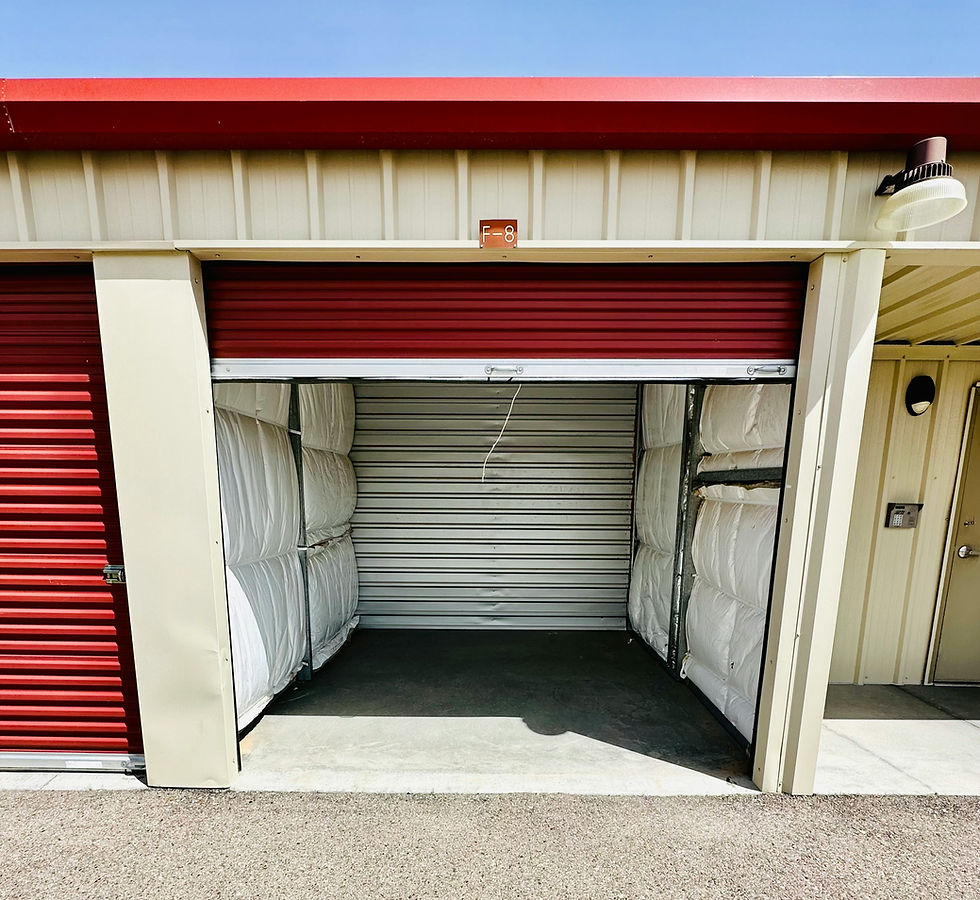
These units let you pull your vehicle right up to the door, making loading and unloading fast. Drive-up units are perfect for:
Tools
Outdoor equipment
Business inventory
Appliances
Non-delicate items
They provide easy access, especially for people making frequent drop-offs.
Storage Unit Size Tips for Southeast Renters
Plan for Weather Conditions
Coastal and humid regions like Milton, FL benefit from indoor storage to protect items from heat and moisture.
Think About Vehicle Storage
If you’re storing motorcycles, ATVs, or small boats, measure length before choosing. Many storage facilities offer both boat storage and RV storage, but always check rules for your specific location.
Measure Large Items Beforehand
Items like sofas, kayaks, bedframes, and office equipment often determine the unit size. Measure length, width, and height.
Ask About Unit Heights
Most units are 8 feet tall, but some facilities offer extra-tall spaces.
Signs You May Need a Larger Unit
You have multiple large furniture pieces
You want room to walk between items
You plan on using your unit for both storage and sorting
You expect long-term storage
You may add seasonal items, business inventory, or new belongings later
When in doubt, go one size bigger. It keeps your belongings safer and your unit easier to navigate.
How Storage Master Helps You Choose the Right Unit
Storage Master offers:
A variety of unit sizes
Both indoor and drive-up self storage
Locations across GA, AL, and FL
Flexible month to month rentals
Online reservations
Conveniently located facilities
Staff who help you match your belongings to the perfect unit
You'll also find detailed size guides, clean and well-maintained facilities, and storage options suited to homes, businesses, and recreational needs.
Final Tips Before Selecting a Storage Unit
Walk inside the unit if possible before renting
Bring a list of items or take photos of what you plan to store
Ask about climate conditions and humidity levels
Decide whether you need long term or short-term storage
Confirm access hours for your location
Choosing the right storage unit doesn’t have to be stressful. With a little planning and help from Storage Master Online, you can secure the exact amount of space you need.


Comments